
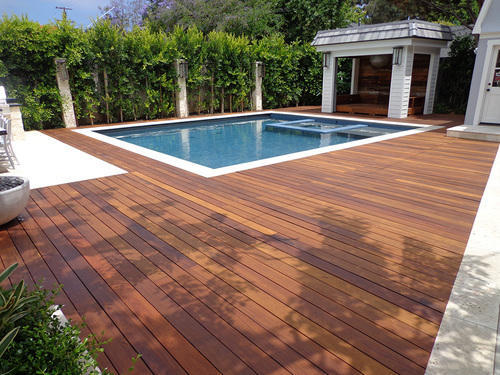
Florida’s hot, sticky climate and frequent rains mean wood selection is critical. Lumber for out-of-door uses (decking, walls) must repel humidity, spoilage, earth and insects. High humidity and sun exposure can warp or decay ordinary wood quickly. Experts advise choosing woods naturally resistant to moisture and pests. For example, cedar and cypress – long used in Florida – are prized for their decay resistance. Tropical hardwoods like teak, ipe, mahogany and purpleheart are extremely dense and rot-resistant; they perform exceptionally well in Florida’s weather. Below we cover softwoods, hardwoods, and exotic woods suited for Florida projects, and guide you in picking lumber for deck boards, fences, and floors. (, a West Palm Beach supplier, offers many of these premium woods.)
- Moisture Resistance: humidity Resistance Florida’s moisture and rain can beget screwing or earth. Woods like cedar, cypress and tropical exotics naturally exfoliate humidity and repel decay.
- Rot & Insect Resistance: Termites and rot are major Florida issues. Choose pressure-treated lumber or decay-resistant species. Cypress (especially old-growth) and white oak are rated very durable against decay. Tropical hardwoods (teak, ipe, mahogany, padauk, purpleheart, etc.) repel spoilage and insects nearly entirely.
- Hardness & Wear: Outdoor decks face heavy wear. Hard, dense woods (hardwoods) better withstand foot traffic. Ipe is up to eight times harder than red oak, lasting 40+ years untreated. Teak and padauk are also very hard and long-lived. Softer woods (cedar, pine) scratch and dent more easily, though cedar is still durable.
- Aesthetics & Color: Natural wood grain and color vary widely. Cedar has a warm reddish-brown tone, cypress is pale yellowish-brown, teak is golden brown, and exotic woods range from chocolate (walnut) to red (mahogany) to purple (purpleheart) as they age. Consider the look you want: for example, cherry wood develops a lustrous patina, while white oak shows striking ray flecks.
Florida’s Native Softwoods: Cedar, Cypress & Pine
- Cedar: A classic Florida fence and siding wood, cedar is a softwood naturally rich in oils. Cedar boards resist rot and termites well, making them ideal for outdoor fencing, pergolas and light decks. The wood’s reddish hue is attractive, though it weathers to gray if not sealed. Cedar is easy to work with but dents and scratches more easily than hardwoods. Many Floridians use cedar picket or privacy fences; it’s even rated “one of the best” fence woods due to its moisture resistance.
- Cypress: A true Florida staple, old-growth cypress is famously rot-resistant. It’s commonly used for exterior construction, docks and boatbuilding. Cypress hearts are light yellowish-brown and contain “natural oils” that fend off decay. It’s a popular, moderately priced choice for decks and fence posts in the Southeast. (The pecky variety – with worm-eaten look – is used decoratively.) Young cypress is only moderately durable, but old-growth cypress lasts for decades.
- Pressure-Treated Pine: While not a natural exotic, pressure-treated Southern Yellow Pine is extremely common in Florida decks and fences. The pine is chemically invested to repel insects and rot. It’s affordable and extensively available, but requires regular conservation (sealing/ staining) to help screwing and earth. numerous builders use treated pine for structural sundeck members or hedge posts, frequently combining it with cedar panels. In Florida, treated pine posts (in soil) and cedar keepers (above ground) is a common hedge strategy.
Domestic Hardwoods for Decks and Floors
- White Oak: A tough, moisture-resistant hardwood. White oak is ranked very durable against decay, making it suitable even for boatbuilding and outdoor barrel hoops (its use in barrels is thanks to natural waterproof qualities). White oak’s tight grain and light brown color make it attractive for indoor flooring and furniture. Outdoors, it handles weather better than red oak (which is not rated as durable). Contractors often use white oak for custom decks or hardwood floors where longevity is key.
- Cherry Wood: Cherry is a beautiful American hardwood for interiors. Its pale- pinkish- brown fresh wood deepens to rich sanguine- brown over time, giving bottoms and cabinetwork a warm, elegant air. FloridaTeak notes cherry’s fashion ability in closets, millwork and flooring. In Florida homes, cherry adds character to wood floors and built-ins. It’s moderately hard and fine-grained, though not as tough as oak; cherry should be kept indoors or in covered areas.
- Maple: (Hard maple or sugar maple) is very dense and pale. It is one of the hardest domestic woods, often used in high-traffic floors (think gymnasium or kitchen). Hard maple planks make gorgeous light-colored floors. (Soft maple is less durable.) Use maple for indoor wood floors or fine furniture; it’s not often used outdoors in Florida because even hard maple is susceptible to moisture.
- Walnut: Black walnut is prized for deep chocolate-brown color and grain, used in upscale furniture and floors. It’s moderately hard (softer than oak or maple) and beautiful, but like cherry it’s usually confined to interiors in Florida.
- Red Oak vs. White Oak: Red oak is popular for floors in cooler climates, but Florida’s humidity can cause red oak (more porous) to expand and contract. White oak’s closed grain makes it a better Florida floor choice. (Pressure-treated red oak fence posts do exist, but red oak is not as rot-resistant as white oak.)
Tropical Hardwoods: Teak, Ipe, Jatoba, Purpleheart and Others
Tropical hardwoods – though pricier – offer outstanding performance outdoors in Florida’s sun and rain. They are extremely dense, naturally oil-rich, and nearly impervious to insects or rot.
- Teak (Burmese Teak): The ultimate outdoor wood. Real teak is golden to medium brown and filled with natural canvases and silica. It is one of the strongest, hardest, and most durable woods known. Teak barely rots or cracks even in seawater, which is why boatbuilders have used teak decking for centuries. In Florida, teak deck boards or patio furniture will last for decades with little maintenance. (Florida Teak supplies FEQ-grade Burmese teak, prized for consistency and durability.) Teak’s high oil content means it can weather to silver-gray if left unfinished, but it can also be oiled to retain its honey color.
- Ipe (Brazilian Walnut): Dark brown Ipe is notorious as the “ ultimate ” sundeck wood. It’s eight times harder than red oak and often lasts 40+ years without treatment. Ipe resists insects and rot so well that chemical treatments are unnecessary. Its fire resistance is superior too. Ideal for decking, boardwalks, outdoor furniture and fences, ipe stays solid under Florida sun and rain. The issuewire press release notes FloridaTeak now stocks Florida-grown ipe for tropical durability.
- Jatoba (Brazilian Cherry): Jatoba is a sanguine Brazilian hardwood frequently used for flooring. Its rich orange-red color darkens with age. Jatoba is extremely hard (ranking just below ipe) and very durable outdoors. While more common as an indoor floor (Brazilian Cherry flooring), it also makes gorgeous decking. (Many high-end Florida decks use ipe or jatoba boards.)
- Purpleheart: Famous for its vivid purple color (when freshly cut) that weathers to brown-purple. Purpleheart is very durable: it resists decay and most insects. FloridaTeak notes purpleheart is used in heavy construction and flooring. Its hardness makes it suitable for exterior accents or indoor floors that need exotic flair. However, it must be cut slowly (it gums up tools).
- Padauk: A vibrant orange-red tropical wood ( fading to brownish-red). Padauk is largely decay- resistant and repels termites. It’s used in fine joinery, decking, and flooring. For Florida decks or stairs, padauk boards will weather well. (Padauk requires caution when gluing, but machines beautifully otherwise.)
- Mahogany: Traditionally used in boatbuilding and upscale furniture. Genuine (Honduran) mahogany is resistant to rot and termites. It has a rich reddish-brown heartwood and becomes darker over time. Mahogany can be used for covered porches or high-end cabinetry, though its insect resistance (beyond termites) is only moderate.
- Merbau: Merbau analogous to Jatoba, merbau is an orangish- brown wood that darkens to deep brown. It contains mineral deposits that can leech, but it’s still very durable outdoors. (FloridaTeak’s site notes merbau is used in decking and siding.)
- Other Exotics: Woods like sapele, wenge, bubinga, iroko, utile (sipo), etc., are also available. They tend to be extremely dense and beautiful. For example, iroko is often called “African teak” for its durability in boatbuilding. Bubinga is veritably hard( used in veneers and turnings) and could be used for heavy decking or accentuation planks. Each exotic has unique color and grain. (FloridaTeak’s lumber catalog lists dozens of these woods.)
Choosing Lumber for Deck Boards
When selecting deck boards in Florida, prioritize durability and maintenance: the deck must withstand sun, rain, and heavy use. Tropical hardwoods top the list: Teak and Ipe decks may cost more up front but can last 30–50 years with minimal upkeep. These woods are so dense that water beads up on their surface. Lesser-known exotics like padauk, purpleheart or jatoba are also excellent for high-end decks.
For budget projects, pressure-treated pine or cedar decking are options. Cedar is rot-resistant and looks great, but it is softer (boards can dent) and will require sealing every few years to avoid graying. Treated pine is cheapest, but must be sealed and stained regularly to fend off moisture. Many Florida homeowners seal pine decks biannually. Poured concrete or composite boards are alternatives, but real wood (especially teak or ipe) is unmatched for natural beauty.
Key tips for decks: Use corrosion-resistant fasteners (hot-dipped galvanized or stainless steel) to avoid staining on woods like cedar. Leave small gaps between boards for drainage. For safety, choose a wood with good slip resistance; many dense hardwoods are naturally slip-proof when finished. Consult local lumber experts (e.g. FloridaTeak or Florida lumber yards) for kiln-dried, straight boards for best results.
Choosing Lumber for Fencing
Fencing needs sturdy, long-lasting wood as well. Cedar is a classic fence material – it resists moisture and pests naturally. A cedar board fence can stand 20+ years without chemical treatment. Florida’s heat turns cedar grey if unsealed, which some owners like for a weathered look. Cypress is another Florida favorite for fences and gates; old-growth cypress rotted slowly and holds up well.
For very budget-minded fences, pressure-treated pine is often used. Treated posts can be set in the ground (where cedar would rot more quickly) while using cedar or fir boards between them. One best practice is using treated pine for posts and cedar for panels, combining pine’s soil durability with cedar’s rot resistance.
Exotic hardwoods can also make ultra-premium fences. Ipe picket fences (made from ipe boards) look striking dark brown and will last for decades. Mahogany or locust (not tropical but very rot-resistant) are high-end fence woods. Even teak could be used for a premium horizontal-slat fence (it won’t rot in Florida’s rain). However, these are costly and more niche.
Choosing Lumber for Wood Floors
For interior flooring in Florida homes, moisture is less of a daily issue, but durability and beauty count. The top domestic choices are white oak and maple. White oak floors are very durable and timeless; they tolerate Florida’s occasional humidity better than red oak. Maple flooring is extremely hard and bright in appearance. Cherry floors are also beautiful, with warm red tones, but cherry is softer (it dents more).
Exotic hardwoods can create stunning wood floors too. Brazilian Cherry (Jatoba) and Brazilian Walnut (Ipe) are now sold as flooring, valued for hardness and rich color (though make sure to get flooring grade from sustainable sources). Purpleheart and padauk are unique choices if you want colored planks – both are durable enough for flooring. Even teak and mahogany, long used in boats, are sometimes milled for luxurious wood floors and showers (they handle humidity well if sealed).
When choosing flooring, also consider grain and finish. Smooth, fine-grained woods (maple, walnut) show fewer scratches, while open-grain woods (oak, ash) have a more textured look. All hardwood floors should be well-sealed (polyurethane, oil, or a good wax) to protect against spills. For screened porches or sunrooms in Florida, you might even use exterior hardwood (like ipe or teak) as decking boards for a floor – they look like indoor wood but tolerate occasional moisture.
Maintenance and Care
Regardless of wood choice, proper maintenance extends life. Routine cleaning and occasional sealing/oiling is generally needed for wood exposed to sun and rain. For example, even ipe or teak decks are often oiled annually to maintain color (though it’s not required for longevity). Softer woods like pine or cedar definitely need stain/seal coatings every 1–3 years. Use finishes rated for exterior use in Florida’s UV. Inspect fences yearly for rot or termite damage, replacing any compromised boards.
Avoid the mistakes of leaving wood constantly wet. Ensure good airflow under decks and proper drainage around fences. Termite treatments for wood piles and fence posts can provide extra security in high-risk areas. When installing, use rust-proof fasteners and avoid copper/nails that cause black stains on oak or maple.
Where to Source Quality Lumber in Florida
For high-end projects, specialty Florida suppliers stock exotic and domestic hardwoods. Florida Teak (West Palm Beach) is one such supplier carrying premium tropical lumber, real teak, cherry wood and ipe. They can provide kiln-dried boards milled to specification. Local lumber yards around Florida also offer pressure-treated pine, cedar and cypress. When buying lumber, look for clear grading (fewer knots), adequate drying (to reduce warping), and sustainable certification for tropical woods.
By matching your project (deck, fence, floor) with the right species – softwood or hardwood, domestic or tropical – you’ll get a structure that lasts years in Florida’s climate. For example, use dense hardwood like teak or ipe for an elegant low-maintenance deck, cedar for an affordable durable fence, and white oak or maple for a warm, enduring wood floor. With the right lumber and care, your outdoor structures and floors will stay beautiful and functional for decades, even under the Florida sun and rain.