
Teak Sustainability & FSC Certification
- Florida Teak provides sustainable, FSC Certified teak to the trades from our Florida warehouse. Scroll down to learn more
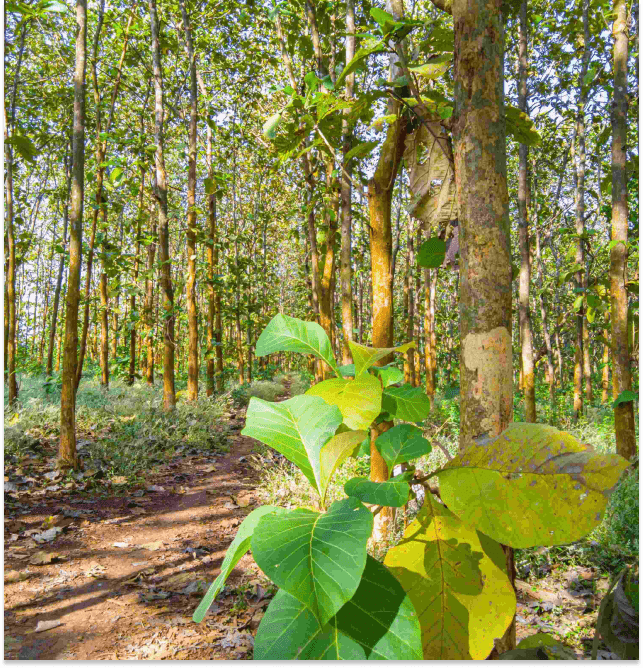
Dedicated to Sustainability and Quality
Florida Teak has dedicated years to identifying and securing the highest quality sources of old-growth, sustainable plantation teak for future supply that meet FSC requirements. We operate a sawmill in India, home to one of the oldest and most prestigious teak plantations in the world. The age and quality of these trees exceed those of any South American plantations, making them the only option truly comparable to now-sanctioned old-growth Burmese teak. We are committed to environmental responsibility without compromising on quality.
FSC Certification for Teak
The Forest Stewardship Council (FSC) runs the world’s leading forest certification system and works to mitigate the climate and biodiversity crises by advancing sustainable forest management worldwide. The FSC operates the most rigorous forest certification system, bringing a balance of social, economic, and environmental perspectives.
The FSC “check tree” logo is one of the most globally recognized and trusted consumer symbols for forest products. FSC certifications ensure third parties verify that our standards are properly implemented, meaning forests can remain forests and materials are sourced responsibly.

WPA Memeber
The International Wood Products Association (IWPA) is the leading international trade association for the North American international wood products industry. IWPA serves as the trusted global resource for professionals, policymakers and users of forest products to advance policies supporting sustainable forest stewardship.
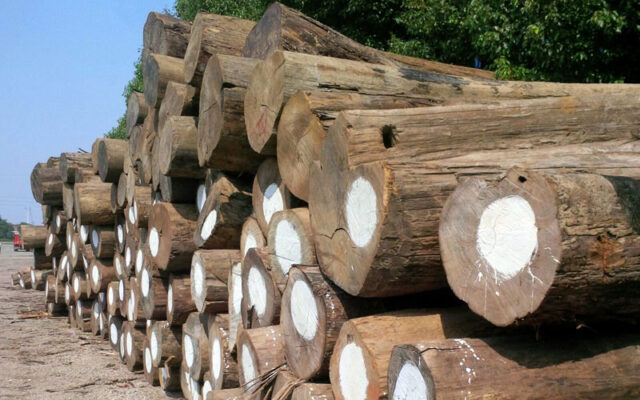
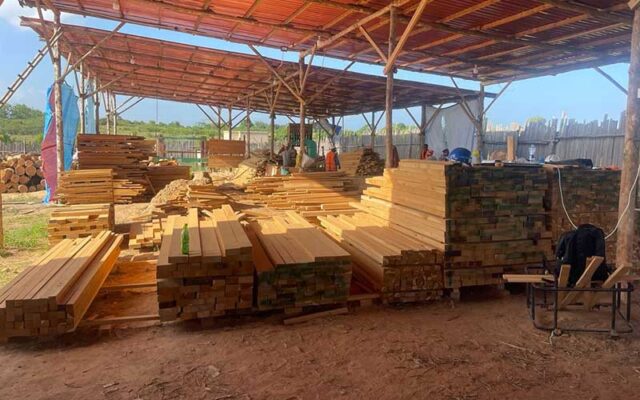
The Difference Between Old-Growth and Plantation Teak
Not all teak is created equal. Old-growth teak stands apart from other grades, such as South American and Indonesian plantation teak, which are widely available on the market. These plantation varieties are grown rapidly and harvested young, resulting in inferior qualities compared to old-growth teak.
Fast-grown teak has a lower oil and silica content, making it more susceptible to rot, termites, cracking, and warping. While it may be suitable for some applications, only old-growth teak offers the durability and resilience to withstand the test of time.
When selecting a supplier, it’s crucial to verify the type of teak they offer. The price difference between old-growth and fast-grown teak can make the latter tempting, but opting for the cheaper alternative often compromises the quality of the final product.
Fast-grown teak does have its uses and is recommended for mass-produced residential outdoor furniture, indoor flooring, paneling, and other residential applications. However, for projects demanding long-lasting quality, old-growth teak remains the superior choice.
Get in touch with us today to place an order or schedule an appointment to view our products.
Phone: 561-975-0898
Email: info@floridateak.com
Frequently Asked Questions
Why is teak considered the premium choice among hardwoods?
Teak is prized for its high natural oil and silica content, which make it exceptionally resistant to rot, insects, moisture, and extreme weather. Its stability, non-skid surface, and luxurious appearance have made it the preferred wood for marine and high-end applications for centuries.
What is the difference between old-growth teak and plantation teak?
Old-growth teak comes from trees over 80 years old and offers superior durability, strength, and resistance to cracking, warping, and decay. Plantation teak, especially fast-grown varieties, has lower oil and silica content and is best suited for indoor flooring, furniture, and light residential applications rather than demanding environments.
What natural properties make teak ideal for marine and outdoor use?
Teak’s high oil content, low shrinkage ratio, and high silica content make it naturally waterproof, non-skid, and dimensionally stable. It stays cool underfoot, resists harsh sun and saltwater exposure, and maintains its beauty and performance even in extreme climates.
Explore a gallery showcasing the many uses of teak wood—CLICK HERE.
For more information about teak, visit these resources:
Curious about how teak compares to other wood types? CLICK HERE to view our lumber glossary.